
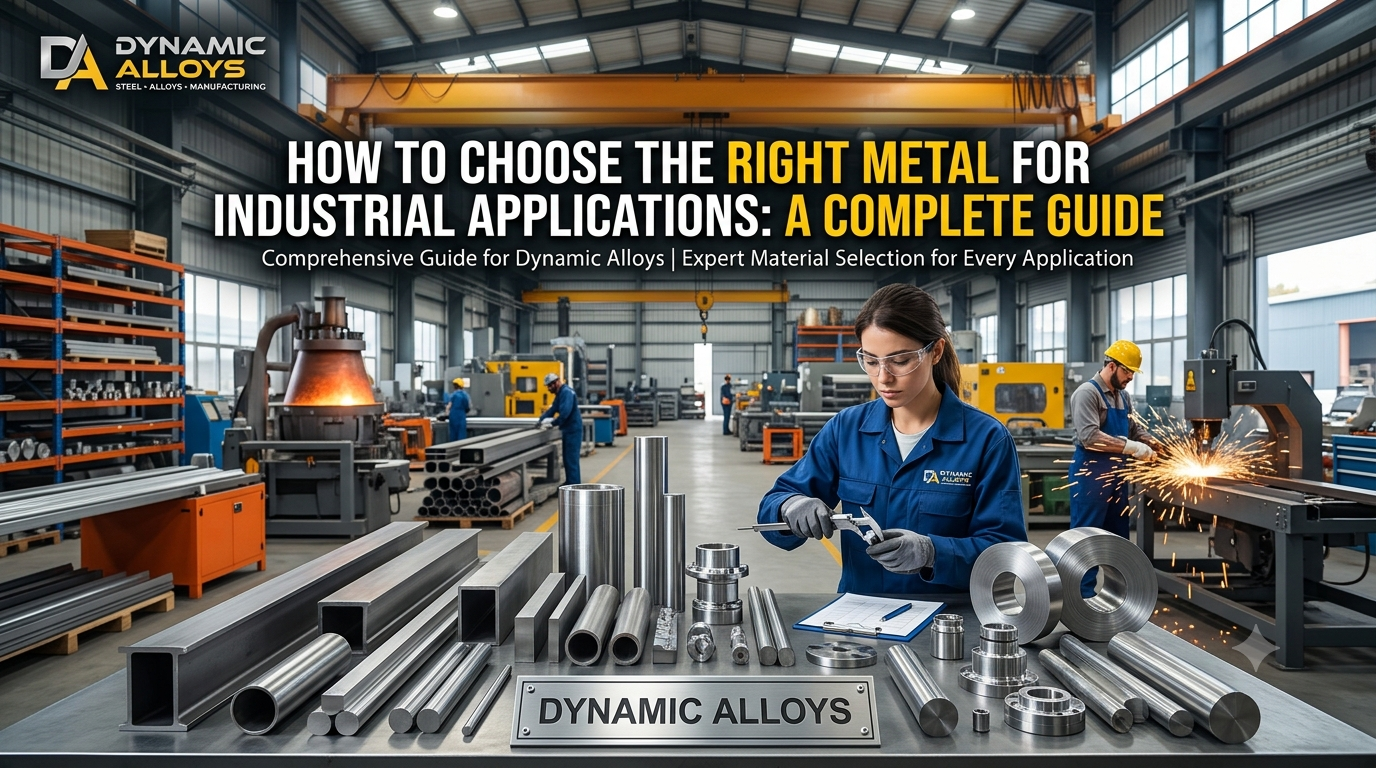
Selecting the right metal is an important decision for any industrial project. Whether it is construction, oil and gas, chemical processing, power generation, or manufacturing, the quality and type of metal directly impacts performance, durability, safety, and maintenance costs.
With several metal options available in the market, understanding their properties and applications helps businesses make informed purchasing decisions. Here is a guide to choosing the right industrial metal for your requirements.
1. Understand the Application Requirements
Before selecting a metal, consider the operating environment and project requirements. Factors such as temperature, pressure, corrosion exposure, mechanical strength, and fabrication requirements play an important role.
For example, industries dealing with chemicals or moisture require materials with excellent corrosion resistance, while heavy engineering applications may require metals with higher strength and durability.
2. Know the Different Types of Industrial Metals
Different metals offer different advantages depending on their composition and intended use.
Stainless Steel: Known for its corrosion resistance, strength, and durability, stainless steel is widely used in food processing, pharmaceuticals, chemical plants, construction, and industrial piping systems.
Carbon Steel: Carbon steel offers excellent strength and cost-effectiveness. It is commonly used in structural applications, pipelines, pressure vessels, and heavy engineering projects.
Alloy Steel: Alloy steel contains additional elements that improve properties such as hardness, strength, wear resistance, and heat resistance. It is suitable for automotive, power generation, and industrial machinery applications.
High Nickel Alloys: These materials are designed for demanding environments involving high temperatures, aggressive chemicals, and corrosive conditions. They are commonly used in petrochemical plants, marine applications, and chemical processing industries.
3. Check Material Grades and Specifications
Choosing the correct material grade is equally important. Different grades offer different chemical compositions and mechanical properties.
Always verify the required material standards, dimensions, thickness, pressure ratings, and technical specifications before purchasing. Material Test Certificates (MTCs) and inspection reports can also help verify product quality and compliance with project requirements.
4. Consider Product Availability and Supplier Reliability
Working with a reliable industrial metal supplier helps ensure consistent product quality and timely project execution.
Look for a supplier offering a wide range of products, including pipes and tubes, sheets and plates, round bars and rods, butt-weld fittings, forged fittings, and flanges.
Also consider inventory availability, third-party inspection facilities, competitive pricing, and delivery commitments when selecting a supplier.
5. Why Choose the Right Industrial Metal Supplier?
The right supplier does more than provide raw materials. It helps businesses source suitable products according to their technical and project requirements.
Dynamic Alloys, based in Mumbai, India, offers a wide range of ferrous and non-ferrous metal products, including stainless steel, carbon steel, alloy steel, and high nickel alloys.
With an extensive product range, quality-focused processes, third-party inspection, and a commitment to timely delivery, Dynamic Alloys caters to diverse industrial requirements.
Conclusion
Choosing the right metal requires careful consideration of material properties, application requirements, quality standards, and supplier reliability. Investing in suitable materials can improve operational efficiency, product life, and long-term project performance.
Looking for a reliable industrial metal supplier in India? Contact Dynamic Alloys to explore quality metal products and solutions for your industrial requirements.