
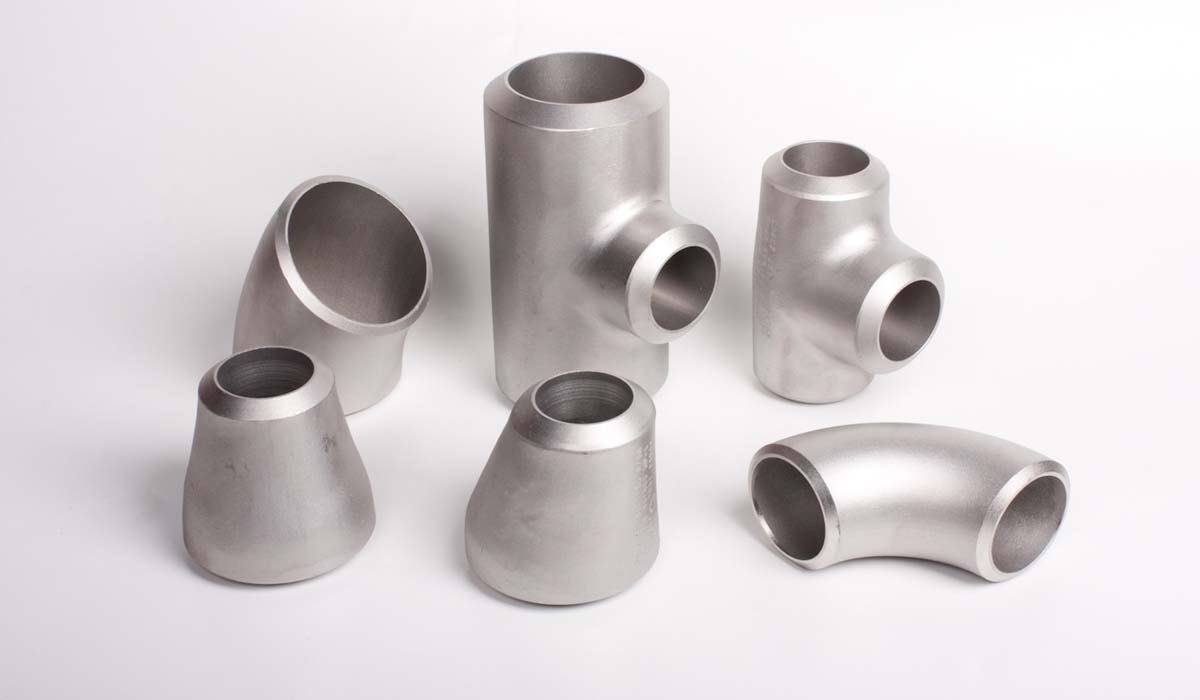
India’s industrial landscape is experiencing unprecedented growth, and at the heart of this expansion lies the critical buttweld fittings market. As a leading buttweld fittings manufacturer India, Dynamic Alloys recognizes the transformative trends shaping this dynamic sector and the opportunities they present for industrial progress.
Market Overview and Current Landscape
The Indian buttweld fittings market has emerged as a cornerstone of the nation’s manufacturing ecosystem. These essential components, used for connecting pipes in high-pressure and high-temperature applications, are witnessing surging demand across multiple industries. From oil and gas to petrochemicals, power generation to pharmaceuticals, the need for reliable, high-quality fittings continues to accelerate.
Key Growth Drivers
Infrastructure Development Boom
India’s ambitious infrastructure projects are creating substantial demand for buttweld fittings. The government’s push for expanding oil and gas pipelines, refinery capacities, and industrial corridors has positioned manufacturers at the forefront of national development. Dynamic Alloys, as a trusted buttweld fittings manufacturer India, plays a vital role in supplying these mega-projects with precision-engineered components.
Energy Sector Expansion
The renewable energy revolution and conventional power sector growth are driving significant market expansion. Solar thermal plants, nuclear facilities, and thermal power stations require robust piping systems where buttweld fittings ensure leak-proof, durable connections that withstand extreme operational conditions.
Make in India Initiative
The government’s Make in India campaign has catalyzed domestic manufacturing capabilities. This initiative has reduced import dependence while positioning Indian manufacturers as competitive global suppliers. Companies like Dynamic Alloys are leveraging advanced manufacturing technologies to produce world-class fittings that meet international standards including ASME, ASTM, and DIN specifications.
Emerging Trends
Material Innovation
The market is witnessing a shift toward specialized materials. Stainless steel, carbon steel, alloy steel, and exotic alloys like Inconel and Hastelloy are increasingly specified for applications demanding superior corrosion resistance and mechanical properties. As a forward-thinking buttweld fittings manufacturer India, Dynamic Alloys maintains comprehensive material expertise to serve diverse industrial requirements.
Quality and Certification Focus
End-users are prioritizing quality certifications and traceability. ISO certifications, material test certificates, and third-party inspections have become standard expectations. This emphasis on quality assurance is elevating professional manufacturers who invest in testing infrastructure and quality management systems.
Customization Demand
Industries are increasingly seeking customized solutions tailored to specific application parameters. Manufacturers offering engineering support, custom dimensions, and specialized coatings are gaining competitive advantages in this evolving marketplace.
Export Potential
Indian manufacturers are making significant inroads into global markets. Competitive pricing, quality standards compliance, and technical expertise have made India an attractive sourcing destination. Dynamic Alloys exemplifies this export capability, serving international clients while maintaining the highest quality benchmarks.
Future Outlook
The buttweld fittings market in India is poised for robust growth, projected to expand at impressive rates through the coming decade. Digitalization, automation in manufacturing, and sustainability initiatives will further shape the industry’s evolution.
For businesses seeking reliable partnerships with an established buttweld fittings manufacturer India, Dynamic Alloys offers comprehensive solutions backed by technical expertise, quality assurance, and customer-centric service. As India’s industrial journey accelerates, the role of precision-engineered buttweld fittings becomes increasingly critical to building a resilient, modern infrastructure.